Fintech Latvia Association · Podcast
Fintech Pulse
Small HUB, Endless Opportunities
Small HUB – Endless Opportunities
Fintech companies founded in Riga now operate in 17 countries across three continents. Investment platforms registered in Latvia serve more than 800,000 investors abroad, and since the beginning of 2025, the Bank of Latvia has issued more than 20 new licences to fintech companies.
How has a small country built such an ambitious fintech ecosystem? And what does Latvia offer to companies looking to grow internationally?
These are the questions explored in Fintech Pulse, a new podcast powered by the Fintech Latvia Association (FLA).
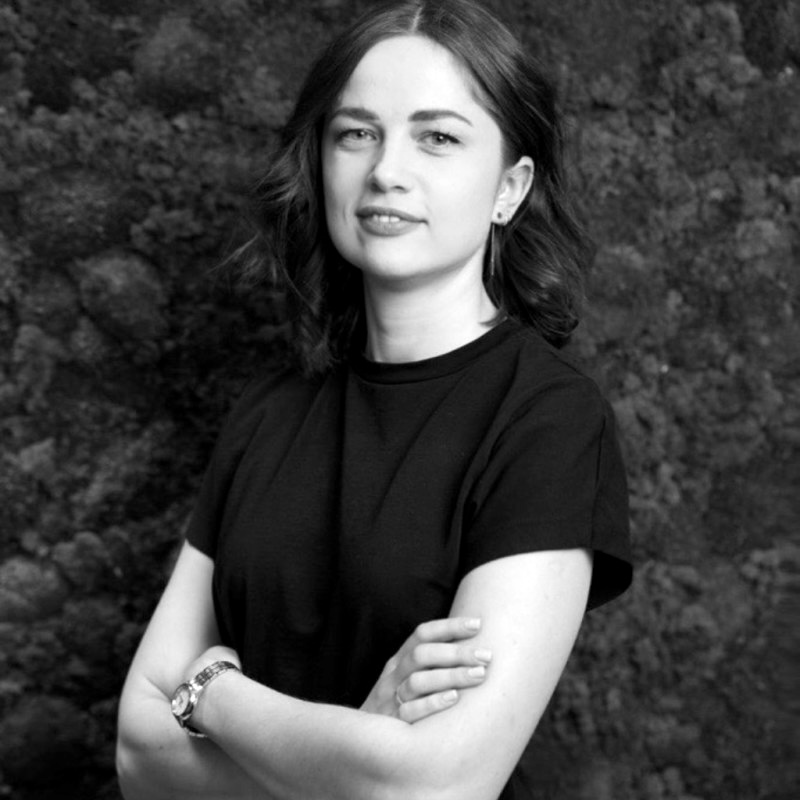
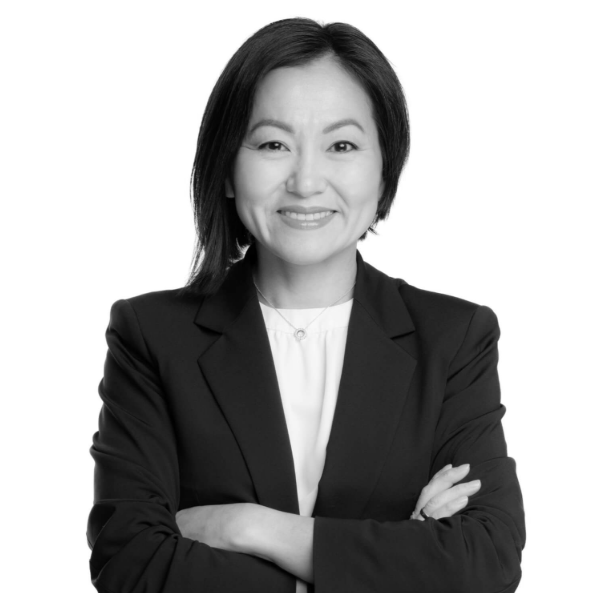
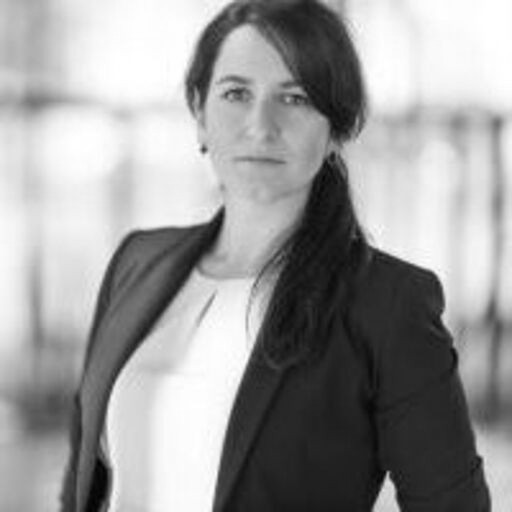
In its first season, “Small HUB, Endless Opportunities,” Managing Director of FLA Tīna Lūse sits down with the people shaping the industry every day, from the regulator to Latvian-founded companies serving customers around the world and new businesses choosing Latvia as the place to obtain their licence.
The season features conversations with Latvijas Banka, Magnetiq Bank, Paynt, Mintos, Handwave, Jeff App, Sun Finance, Nexpay, Ascend Finance and Backpack.
At the heart of the conversations is a simple question: why Latvia?
The episodes explore the advantages and challenges of operating in a small market, what it takes to build a global business from Riga, where to find the talent needed to grow, and what kind of support fintech companies need from the public sector.
Each conversation ends with a question from the podcast supporter, Magnetiq Bank: “What inspires you most in your everyday life?”
“Many people around the world still don’t know how much fintech innovation is coming out of Latvia. We want to give the people building these businesses a chance to tell their own stories. We also want every company looking for a home in Europe to see Latvia as a serious contender,” says Tīna Lūse, Managing Director of the Fintech Latvia Association.
The podcast is supported by Magnetiq Bank and the Investment and Development Agency of Latvia (LIAA).
All episodes
Season 1 · Small HUB, Endless Opportunities
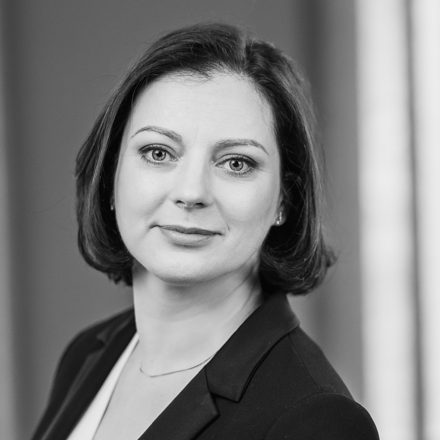
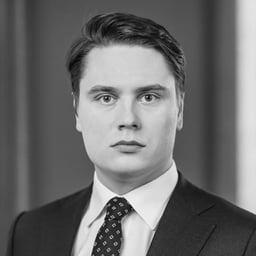
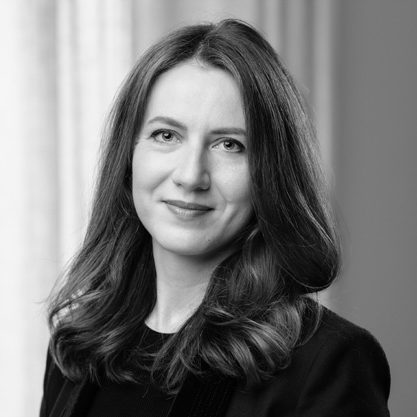
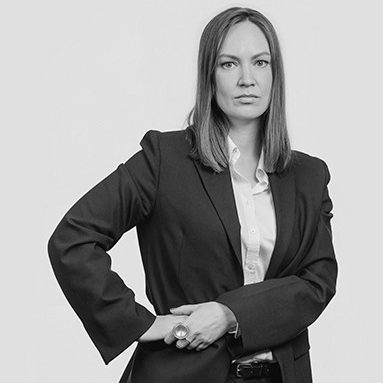
Episode 1 · Latvijas Banka — Santa Purgaile
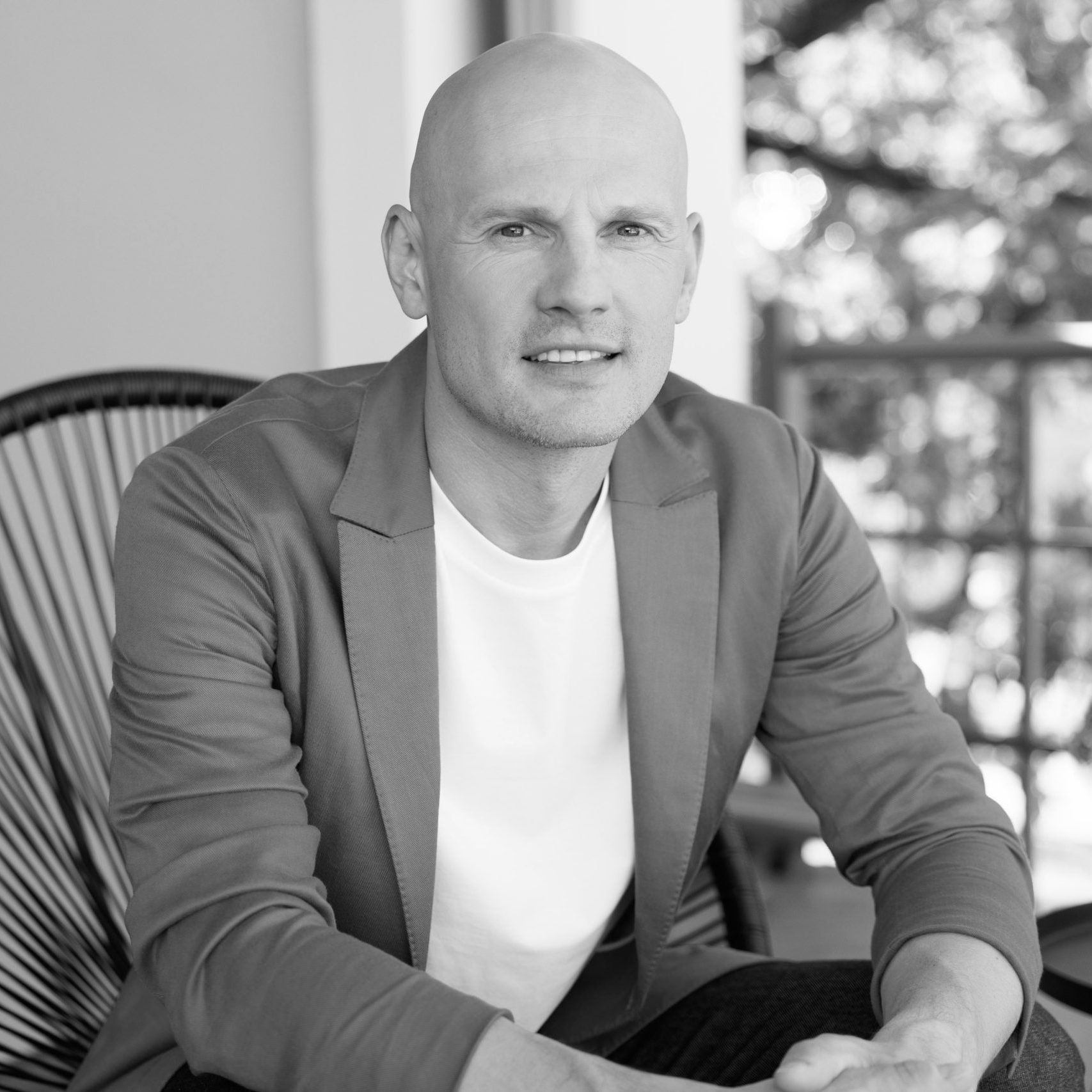
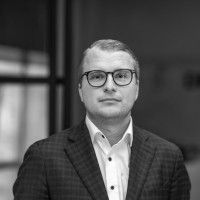
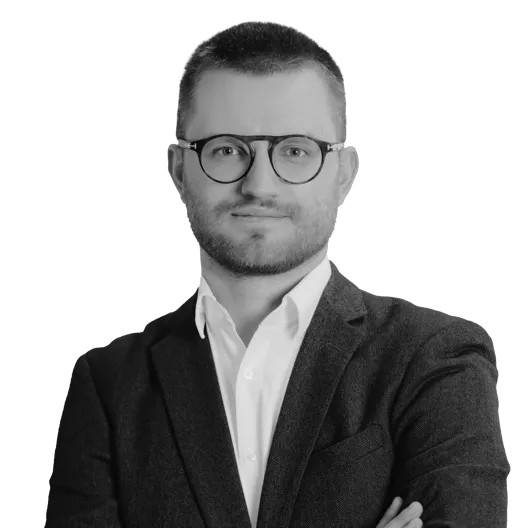
Episode 2 · Magnetiq Bank — Jakub Wieclaw
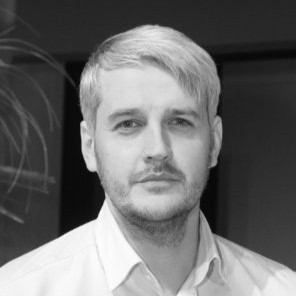
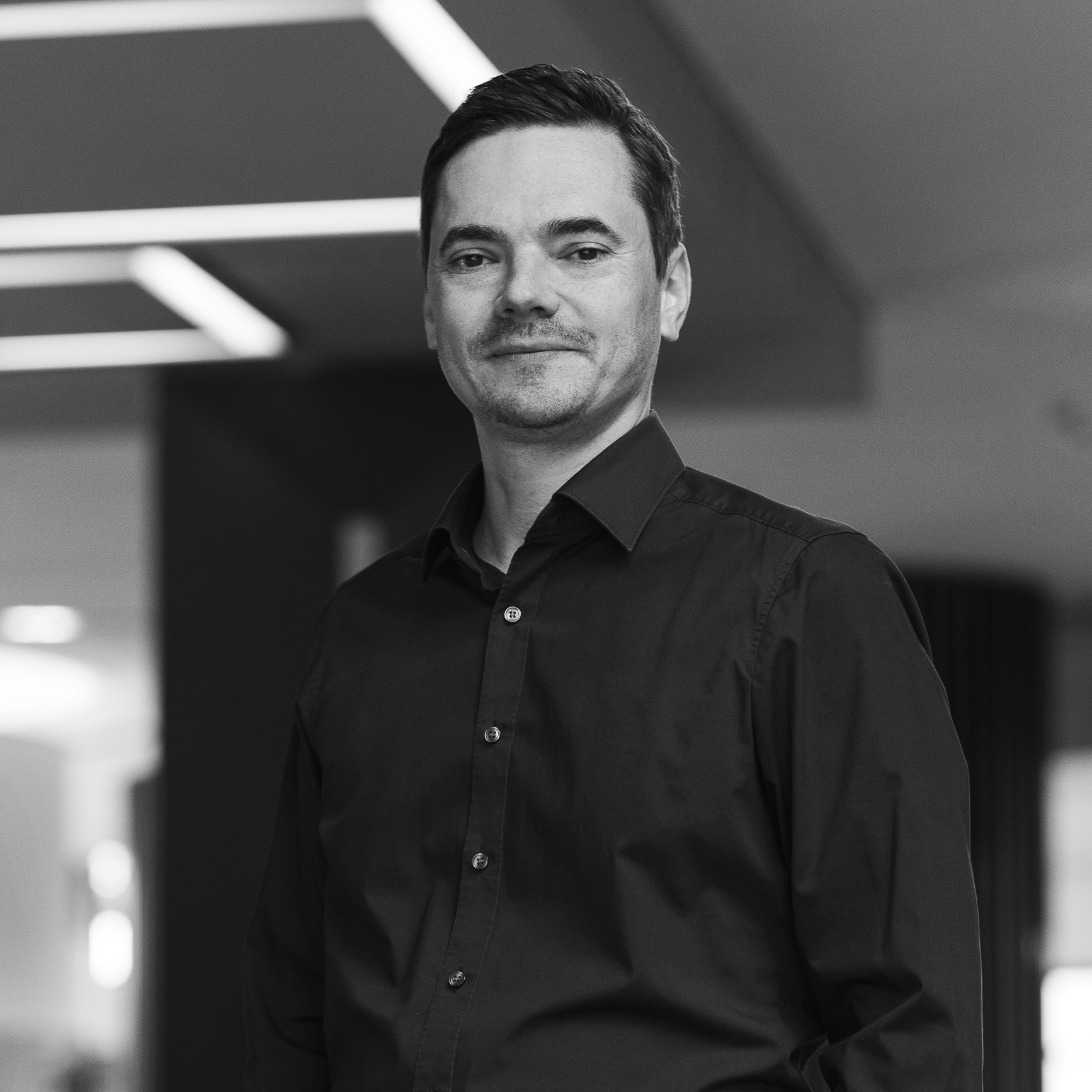
EPISODE 4 · NEXPAY — SOFIAN BERREHAL
Nexpay CEO: “Love, innovation and business made my life here”

Watch on YouTube · Listen on Spotify
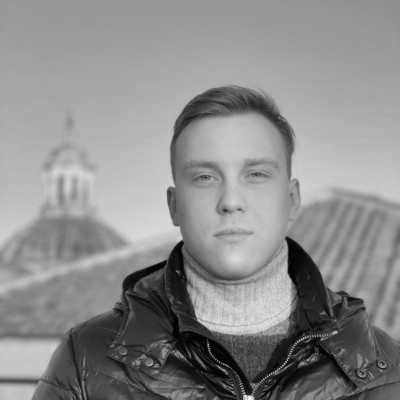
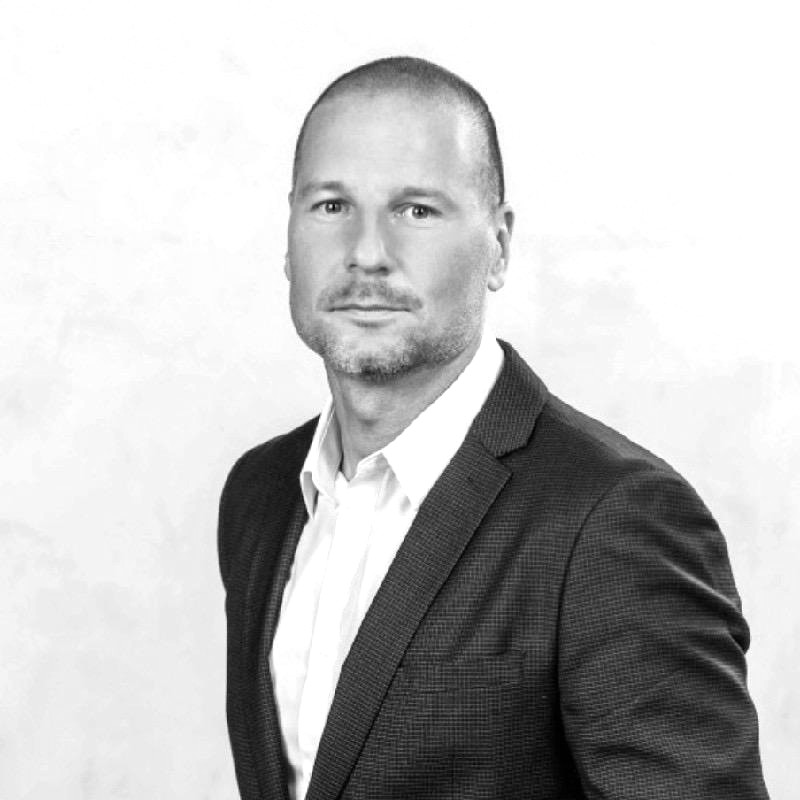
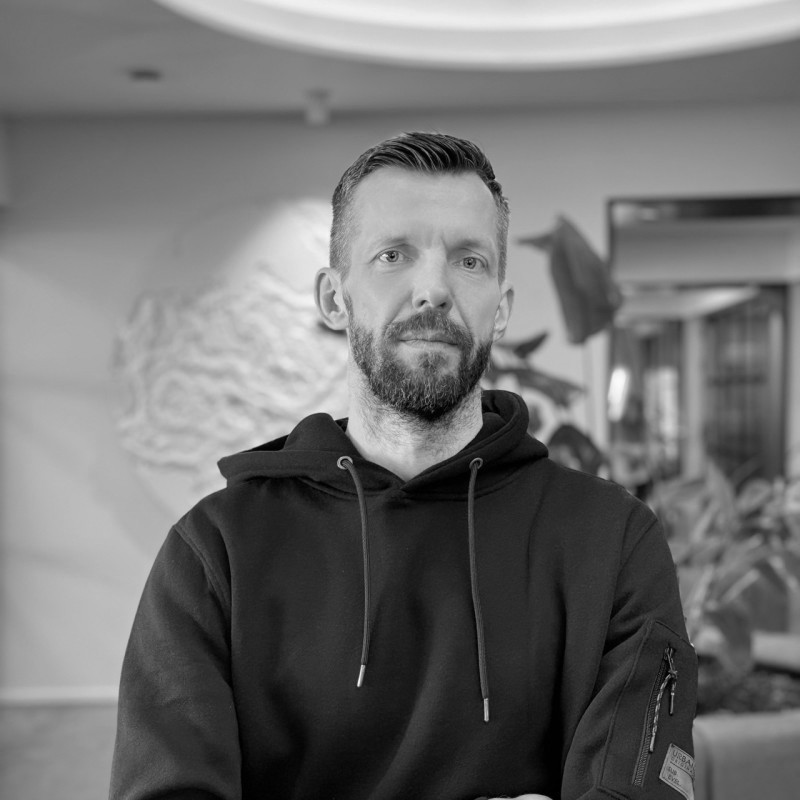
In Episode 4 of the podcast series Small HUB, Endless Opportunities, Tīna Lūse, Managing Director of Fintech Latvia Association, talks with Sofian Berrehal, CEO of Nexpay, about getting a MiCA licence in Latvia, what the regulator really wants to hear, and why the Baltic states should speak with one voice.
Nexpay builds all-in-one payments infrastructure for businesses – “without friction, without needing to have three, four different providers.” The company is one of the first in Latvia with a MiCA licence and serves clients in the EU and beyond.
Came for a year, stayed for 14
Sofian Berrehal came to Riga after business school in France, planning to stay for one year. That was 14 years ago. “I couldn’t imagine doing the same in France, what I’m doing in Latvia. So love, innovation and business made my life here,” he says. Tīna Lūse replies at once: “Okay, this is a slogan for the episode now.”
Your first meeting with the regulator
Sofian remembers his first meeting at Latvijas Banka: “I wasn’t talking about some crazy DeFi smart contracts.” The regulator wants to talk about governance, conflict of interest, internal controls and external audits. His advice to newcomers: if those terms are new to you, speak to consultants and local associations first. Pre-licensing, he says, is “like university before starting work” – and if you apply in October, you will not have a licence by the end of November.
After the licence, show up
“Once you’ve exchanged the rings and gotten a licence, you have to show up. You have to show up consistently,” says Sofian Berrehal. The licence is only the engagement; the real relationship with the regulator starts after it. He is also tough on the industry itself: “We can have 100 licences and zero proper business out of Latvia.” Licences are not the success story – building a business, hiring people and scaling are. That is why he backs a selective regulator: getting a licence should not be as easy as swiping a card.
Small hub, big attention
In a small hub, a company gets noticed fast: media, government and associations see you before you are a European giant. There are downsides too – talent, distance and venture capital attention. Sofian notes that compliance officers and MLROs are hard to find in Riga, and education and talent are among the areas where associations can help most.
Latvians, be prouder and louder
On how Western Europe sees the Baltics, Sofian Berrehal says perception changes with time, work and visibility: “Latvians should be prouder of what they’re building and they should be louder about it.”
The Baltics, together
“Vilnius is not going to be enough. Riga is not going to be enough. Tallinn is not going to be enough.” To attract a global player, Sofian suggests one Baltic pitch: Latvian creativity, Estonian innovation and Lithuanian entrepreneurship. His wish for policymakers is simple: EU rules should work for small markets too – and “always lobby for the Baltics.”
Fintech Pulse 2026: Finance of the Future Forum – 27 November, Riga. The fifth annual Fintech Pulse industry report, panels on licensing, access to capital, sanctions and crypto, and talent, and the first Fintech Pulse Awards. Forum Cinemas, Riga, free entry.
Register for Fintech Pulse 2026
Small HUB, Endless Opportunities is a podcast series by Fintech Latvia Association. This season is supported by Magnetiq Bank and the Investment and Development Agency of Latvia (LIAA / Invest in Latvia). A new episode comes out every Thursday.
A short preview of the conversation
More short clips (4)
Clip 1
Clip 2
Clip 3
Clip 4
Watch the full episode
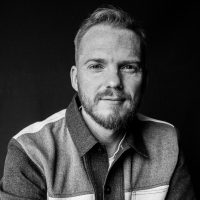
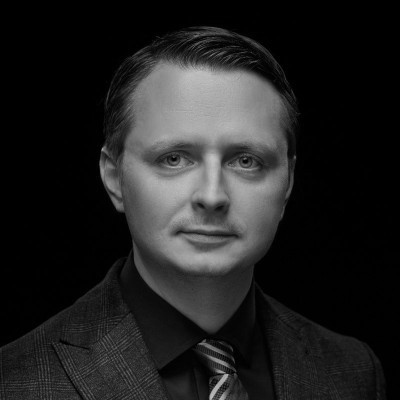
EPISODE 3 · MINTOS — MĀRTIŅŠ ŠULTE
Mintos CEO: “The goal was never the best platform in Latvia – it was the best in Europe”

Watch on YouTube · Listen on Spotify
In Episode 3 of the podcast series Small HUB, Endless Opportunities, Tīna Lūse, Managing Director of Fintech Latvia Association, talks with Mārtiņš Šulte, CEO and Co-founder of Mintos, about why Europeans invest so little, how to make your first investment, and how to build an investment platform for all of Europe from Riga.
Mintos started as a peer-to-peer lending marketplace and is today a full investment platform with customers across Europe. Its biggest markets are Germany, Spain, France and the Netherlands – and the company is still run from Riga.
Why Europeans don’t invest
Mārtiņš Šulte names three reasons. First, social security systems, which leave people feeling less need to build their own safety cushion. Second, real estate, where a large share of capital is tied up. Third, inertia: in the US, investing is a generational habit discussed at every dinner table; in Europe, not yet. As a result, tens of trillions of euros sit in deposits – “capital that is not working to build the economy.”
Tīna’s promise
During the conversation, Tīna Lūse admits that her investments are in real estate, not on platforms – and promises to start that same day. Mārtiņš’s advice is simple: start with a small amount, understand what you invest in, and build a habit. “Nothing beats just really starting – putting the first, even small, investment.”
Shiny things and risk
On promises of high returns, Mārtiņš Šulte points to survivorship bias: “Those people who lost money in crypto don’t run around saying how great crypto is.” High returns come with high risk, so a first investment should be one you understand, and a portfolio should be diversified.
Built in Riga, scaled across Europe
“The goal was not to build the best platform in Latvia. It was to build the best platform in Europe,” says Mārtiņš Šulte. A small home market made the team think European from day one. Mintos is a MiFID II investment firm licensed in Latvia and passported across the EU, and the company is now working towards a banking licence, because “nothing beats being a bank in terms of trust building.”
A regulator you can talk to
One of the underrated advantages of a small hub is an accessible regulator. Mārtiņš Šulte tells how, just the week before, the team met policymakers at Latvijas Banka to discuss their case: “I might be a bit spoiled.” In larger countries, even setting up such a meeting can take months. To him, being regulated is table stakes, not a brake on speed: “It’s our DNA.”
Team and life
The Mintos team works mostly in Riga and brings together more than 20 nationalities. Mārtiņš Šulte also names a challenge: relocation is harder for specialists from countries without an embassy in Latvia. Near the end, he shares the story of a doctor in Portugal who turned out to be a Mintos investor, and how he stays balanced while building a company: sleep, sports, family and friends.
Fintech Pulse 2026 – 27 November, Riga. The year’s latest fintech trends, the industry report and a conference bringing together companies, the regulator and the voices from this podcast season.
Register for Fintech Pulse 2026
Investing involves risk. Your capital is at risk. This episode is not investment advice.
Small HUB, Endless Opportunities is a podcast series by Fintech Latvia Association. This season is supported by Magnetiq Bank and the Investment and Development Agency of Latvia (LIAA / Invest in Latvia). A new episode comes out every Thursday.
A short preview of the conversation
More short clips (4)
Clip 1
Clip 2
Clip 3
Clip 4
Watch the full episode
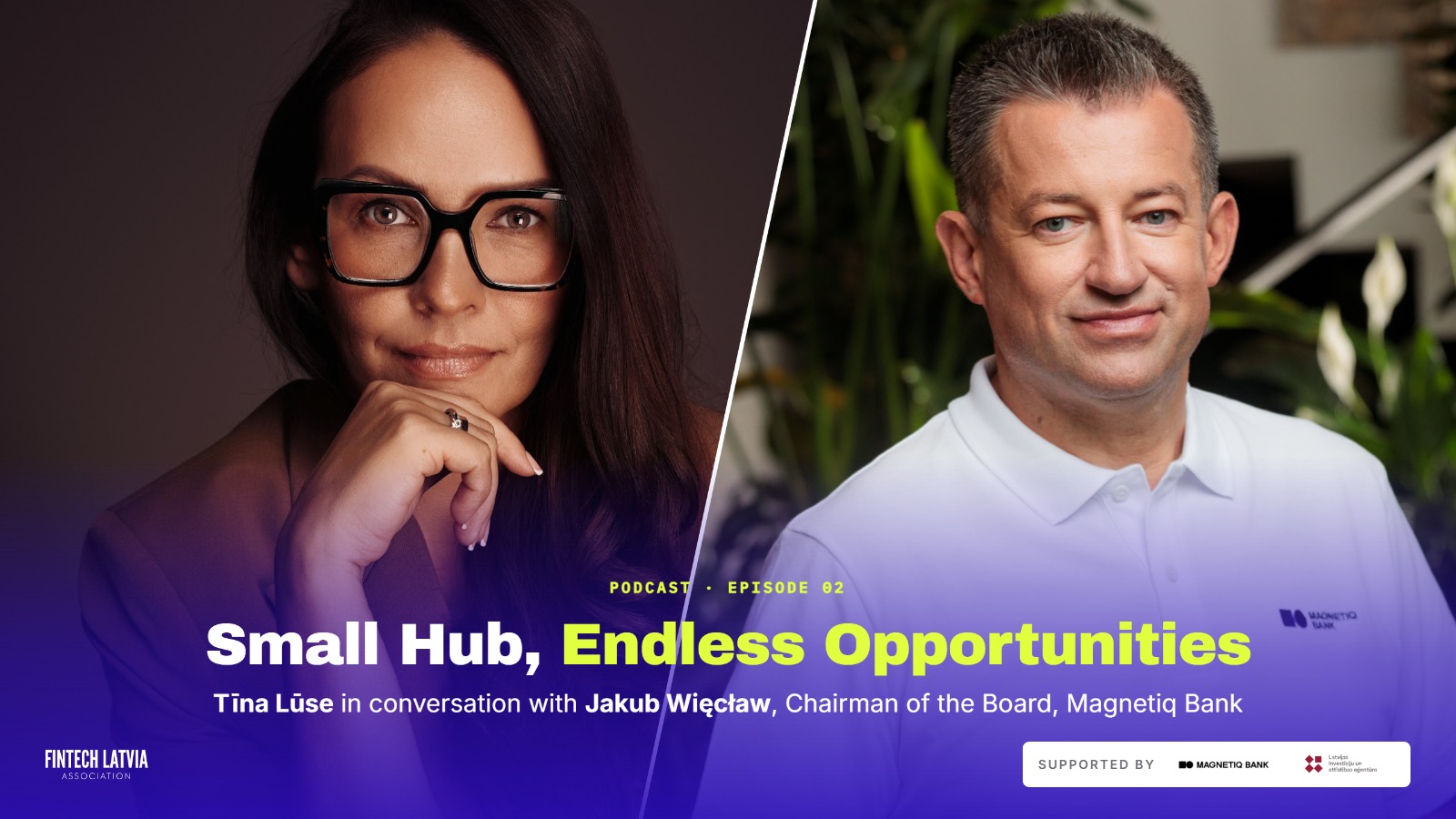
EPISODE 2 · MAGNETIQ BANK — JAKUB WIETZLAW
Magnetiq Bank CEO: “Getting the licence is the easy part”
Watch on YouTubeListen on Spotify
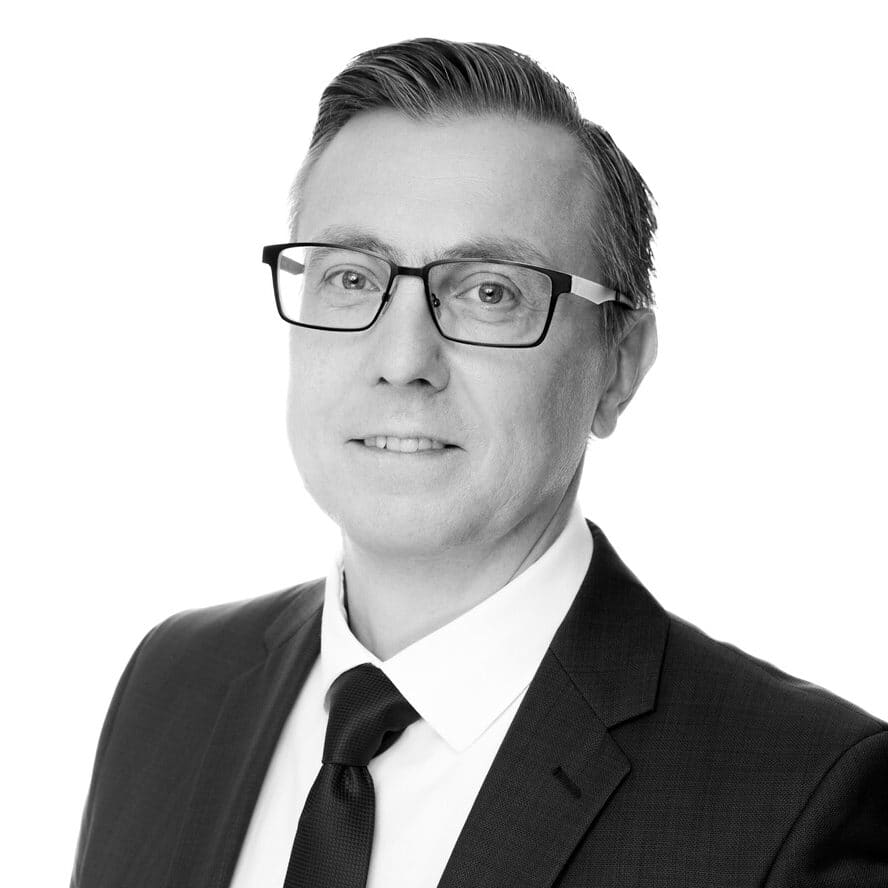
In Episode 2 of the podcast series Small HUB, Endless Opportunities, Tīna Lūse, Managing Director of Fintech Latvia Association, talks with Jakub Wieclaw, CEO of Magnetiq Bank, about what happens after licensing, why not every fintech needs its own bank, and why Riga works for building a financial technology business.
Magnetiq Bank is a Latvian bank focused on working with fintech companies and the sponsor of this podcast season. Jakub Wieclaw moved to Riga from Poland, and the conversation backs the idea the series started with: a small market can grow big business. The conversation starts with a laugh. In the very first minute, Jakub Wieclaw says Latvia has built a fintech hub for Europe, and Tīna Lūse jokes: “Now we can end the podcast.” The next fifty minutes show there is plenty to talk about: from licensing and bank models to building a team, AI and life in Riga.
A licence is not a paper on the shelf
“Some clients still treat licences like just a paper on the shelf,” says Jakub Wieclaw. In his experience, getting the licence is only the starting point for the real game. What follows is regular reporting, financial forecasts and strategy changes the regulator has to agree to. Latvia is open to fintechs, but the regulator is still the regulator, so preparation decides the outcome.
Your own bank or a licence as a service
In the episode, Jakub Wieclaw compares two routes. Getting your own licence can take 12–18 months, and with one million euro in capital you can build only a “really, really small” bank. The alternative is licence as a service: the fintech builds the customer journey, while the bank carries compliance, reporting and anti-money-laundering. That lets a company go to market from day one.
Should big banks be afraid?
“Yeah, they should,” says Jakub Wieclaw. The next generation chooses the solution, not the bank brand, and he expects the effect to show within the next 5–10 years.
In his view, banks and fintechs are not enemies. Magnetiq Bank calls itself a fintech with a banking licence, and its model is built on partnership: fintechs bring innovation and the customer experience, the bank brings the licence, capital and regulated infrastructure. In the end, the customer cares about a convenient solution in an app, not about which bank sits behind it.
From Riga to Europe
From Riga, Magnetiq Bank serves clients in the Baltics, Poland, Czechia, Slovakia, Austria, Slovenia, Romania, Germany, France and the Nordics. Jakub Wieclaw stresses that a small home market is no obstacle: an EU licence and clear regulation let a company work across the European Union from Latvia, while closeness to the regulator and short distances in Riga speed up everyday work.
Team and work culture
He explains that the whole team works in Riga and shares how he balances remote work and time together in the office. After a month of working while travelling around Europe, he concluded that complex problems are easiest to solve around one table. That is why he builds the team here in Riga rather than spread across several countries. And his walk to work takes seven minutes.
An over-regulated market as an advantage
“Don’t laugh, but I feel very well when I’m operating on an over-regulated market,” says Jakub Wieclaw. To him, strict supervision is a safety cushion: when a crisis comes, a regulated market is the place to be. He also has a wish for regulators: open banking, in his view, is still more of a buzzword than a working reality, and fintechs should get the same access to data across the EU.
AI in banking
The episode also covers how AI is changing everyday banking – from customer service and FAQ answers to internal processes.
And Latvian food?
Near the end, Tīna Lūse asks Jakub about his favourite Latvian dish, and the episode closes with the Magnetiq question. His message to anyone considering Latvia: “Join and build with us, this fintech hub here.”
Small HUB, Endless Opportunities is a podcast series by Fintech Latvia Association. This season is brought to you by Magnetiq Bank. A new episode comes out every Thursday; next up on 12 November: Mintos.
A short preview of the conversation
More short clips (4)
Clip 1
Clip 2
Clip 3
Clip 4
Watch the full episode
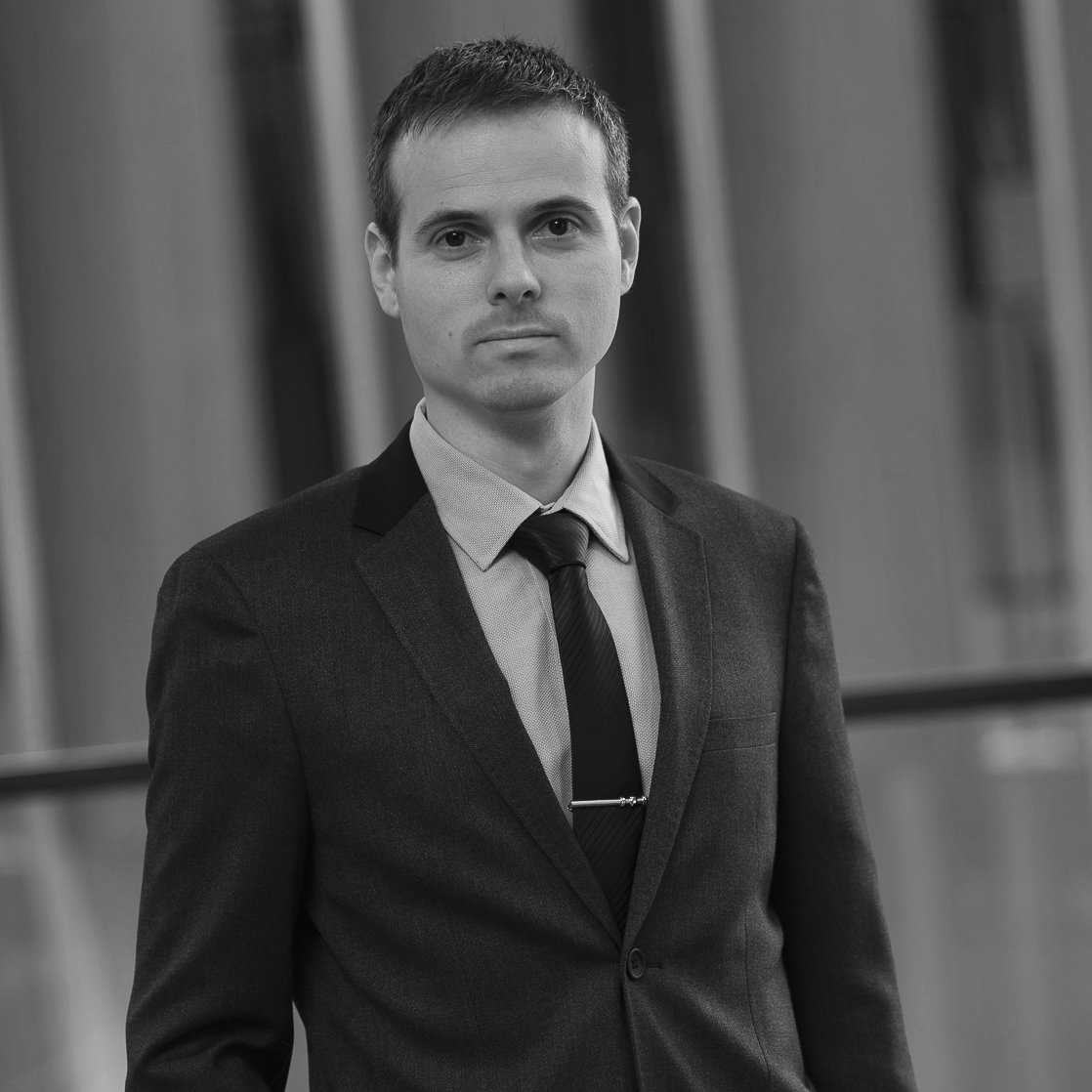
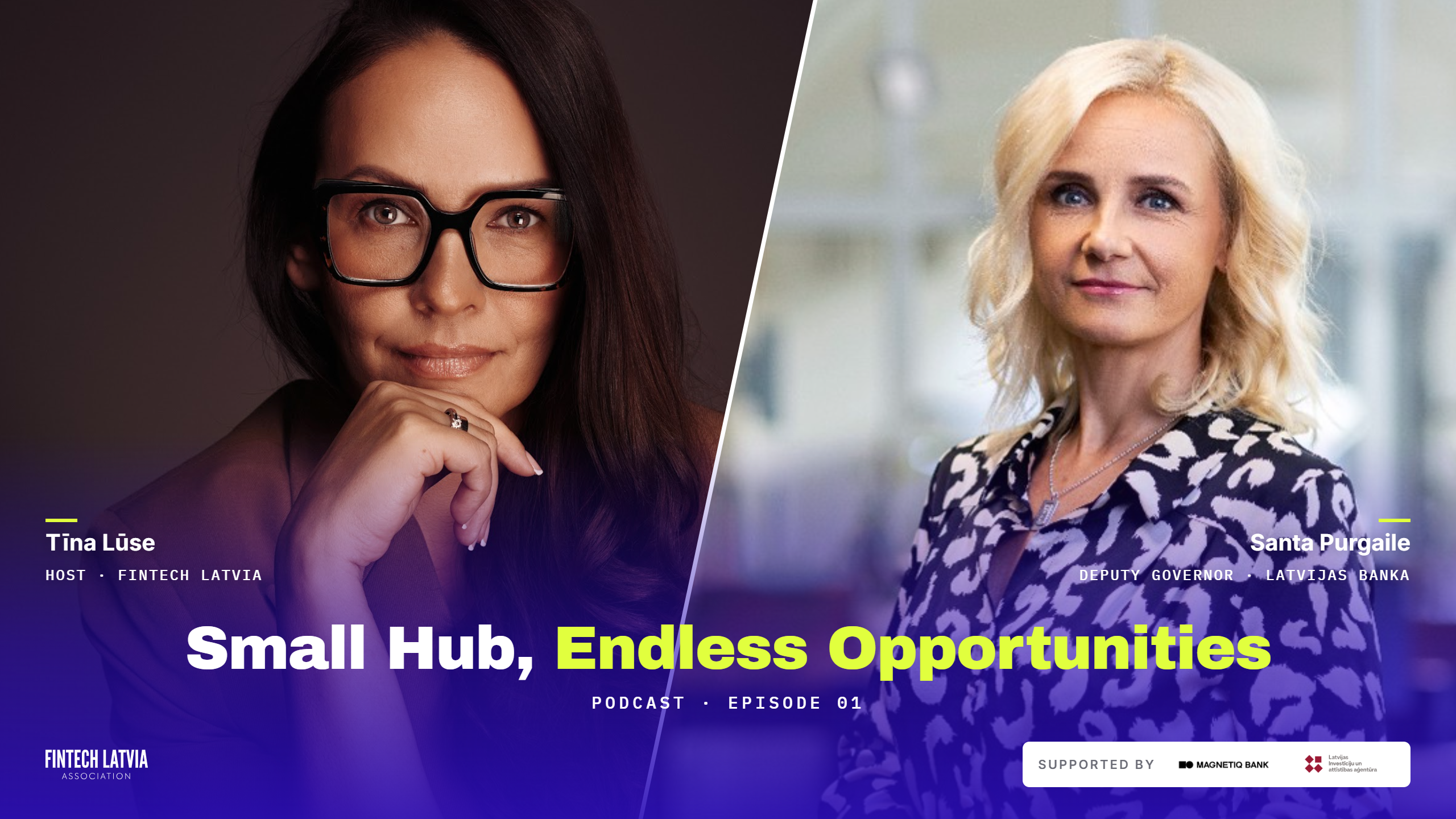
Episode 1. Latvijas Banka: What Does Fintech Licensing Really Look Like?
How to Get a Fintech Licence in Latvia and What Does the Regulator Expect?
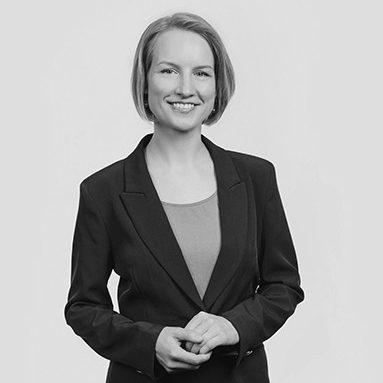
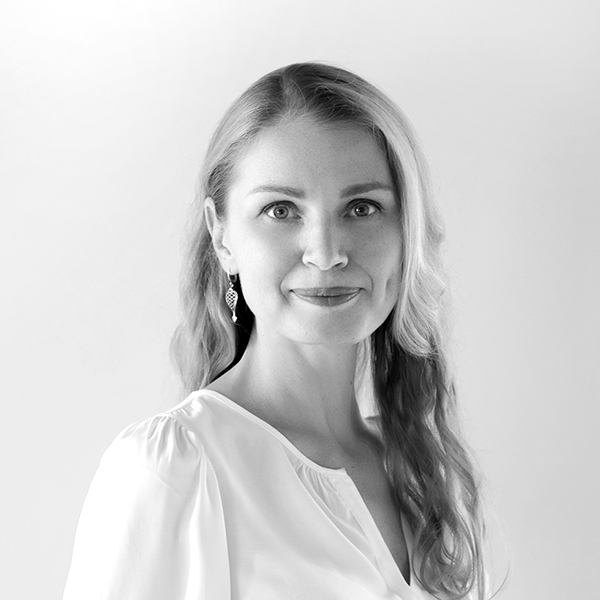
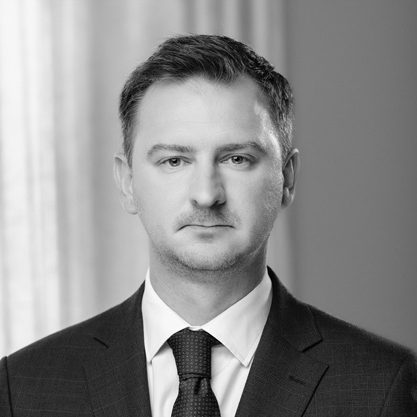
In the first episode of Fintech Pulse, Tīna Lūse sits down with Santa Purgaile, Deputy Governor of Latvijas Banka, to discuss what it takes to obtain a fintech licence in Latvia and what the regulator really looks for.
Since the beginning of 2025, Latvijas Banka has issued more than 20 licences to fintech companies. These include payment institutions, crowdfunding platforms, crypto-asset service providers, and investment firms. Santa Purgaile explains how these results were achieved, how the regulator has evolved in recent years, and how Latvijas Banka itself uses artificial intelligence in its work.
The conversation covers
- Where requirements can be applied proportionately to smaller companies, and where there is no room for compromise, particularly when it comes to sanctions compliance.
- The Innovation Hub, regulatory sandbox and direct access to SEPA.
- Pre-licensing consultations and the most common mistakes applicants make.
- Where to find the right talent.
- How to build a productive relationship with the regulator after obtaining a licence.
“Simplicity is the hardest thing of all,” says Santa Purgaile. The regulator does not need a hundred-page stack of documents. What matters most is seeing that a company understands its own business and can explain it clearly. And obtaining a licence is not the finish line. This is where the ongoing relationship with the regulator begins.
Hosted by Tīna Lūse, Managing Director of the Fintech Latvia Association.
A short preview of the conversation
Watch the full episode
Fintech Pulse Finance of the Future Forum 2026
Join us on 27 November for the Fintech Pulse Finance of the Future Forum 2026.